
What to look for in an accurate speech-to-text service. Which way is transcription better? Through Human or AI Transcription tool?

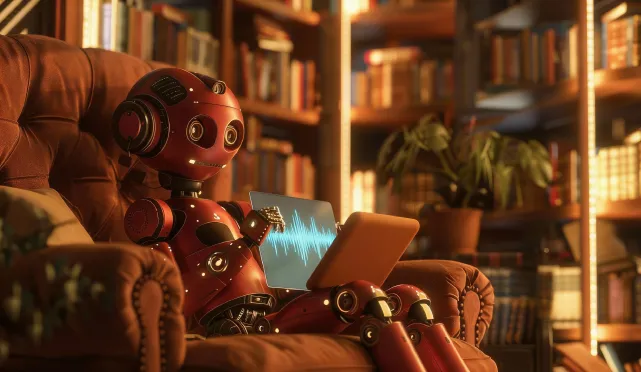
Speech to text, often called automatic speech recognition, is the process of converting spoken words into written text using computer systems. These systems listen to audio, break it down into sound patterns, and then match those patterns to words based on what they have learned from large amounts of data.
People want speed and low cost, but they also want accuracy they can rely on. An AI transcription tool is fast but can miss meaning, while humans are accurate but slower and more expensive. This creates hesitation because neither option feels perfect on its own.
Even though modern systems are doing much better, when it comes to handling faster speech, multiple speakers, background noise, and even different accents to a reasonable degree. Still, improvement does not mean perfection, and understanding where the limits are is important. This read comes down to comparing speech-to-text accuracy with transcription generated through artificial intelligence? Which is better, and is there a better alternative?
A single misheard word can cause serious problems. The real question is no longer audio can be transcribed, but if people can really trust the transcribed output. People blindly trust these written records of spoken conversations which have made accuracy a basic requirement rather than just being a bonus. Transcription has moved from being a convenience to being a core part of how people work. This shift has made it important to understand how transcription works and what level of accuracy different approaches can realistically provide.
Under high-stakes situations, accuracy becomes everything. In legal cases, for example, the difference between “I was there” and “I wasn’t there” is not small. It can change outcomes entirely. When a transcript becomes part of an official record or is used to make decisions, it becomes a source of truth, making accuracy non-negotiable.
The same applies in healthcare, where incorrect transcription of symptoms or medication names can lead to real harm. Journalists depend on exact quotes to maintain credibility. Researchers rely on accurate transcripts to support their findings. In these situations, errors are not just inconvenient. They undermine trust and can invalidate the work.
Accuracy in transcription is not about the text looking right at first glance. It’s about making sure of the fact that every transcription preserves the original meaning, and can be trusted when decisions, records, or outcomes depend on it. There are several ways accuracy is measured, each focusing on a different part of the problem. These measurements help explain why two transcripts that look similar may not be equally reliable.
Word accuracy focuses on the right words appearing in the transcript. It looks at words that were missed, added, or replaced with the wrong ones. Even a small number of word mistakes can change meaning, especially in legal, medical, or business settings. When decisions depend on exact wording, word accuracy should not be considered as the run of the mill.
To make sure details are plain as day, it’s important for transcription to look at spelling, names, numbers, and technical terms. This level of accuracy holds great significance when small details carry big importance, such as names of people, places, medications, or legal terms. A transcript may look fine overall, but a single misspelled name or wrong term can cause confusion or errors later.
A transcript can be technically correct but still misleading when matching words but not in the way the speaker stated. The transcription must check whether the transcript depicts the intent, context, and tone rather than just literal speech. This is seriously important when phrases can be interpreted in different ways or when meaning depends on how something was said.
Speaker attribution accuracy checks whether each statement is assigned to the correct person. It makes sure that each sentence is correctly linked to the person who said it. When speakers are mixed up, accountability is lost and the transcript becomes unreliable. Accurate speaker attribution keeps conversations clear and trustworthy.
The real test starts when the transcript works for the task it is meant to support. This is a comparison table that elucidates which is best for text accuracy: Human vs AI Transcription tool or Rehear?
| Type | Typical Accuracy | Explanation |
|---|---|---|
| Human Transcription | Higher | Human transcription provides the highest accuracy because skilled people understand context, accents, jargon, and nuances perfectly, making it ideal for legal, medical, or critical work where every word must be exact. |
| Standard AI Transcription | Varies by audio quality | Standard AI transcription works well on clear, single-speaker audio but often makes more mistakes with noise, accents, overlapping voices, or technical terms, requiring extra time to fix errors. |
| Rehear | Up to 99.8% | Rehear achieves near-perfect accuracy even on challenging audio with noise, multiple speakers, accents, or difficult topics, delivering clean results that feel close to human quality for most tasks. |
Human transcription gives the absolute highest accuracy because people catch every nuance and context perfectly, but it gets slower and more expensive as you get to hire people to get the job done. Living in a modern era and being driven by these trivial matters is absurd. Rehear give you near-human quality, making it the smartest and best choice for any kind of transcription. Download the app for reliable transcripts without the high cost or wait time for human services.
Human transcription exists for being reliable. This has been a major benefit for discovery work, internal reviews, and situations where speed is preferred more than perfection. However, heavy accents, overlapping speech, poor audio quality, and specialized terminology often lead to errors. It does not truly understand the way humans do it, as it predicts words based on patterns, which work well most of the time but can fail in subtle and important ways.
Many people find that a mixed approach works best. Human transcription can then be applied to the most important parts, where mistakes are not acceptable. This balance saves time without sacrificing trust.
Good news! You can now convert all your AI-based transcription towards converting large amounts of audio into text quickly with accuracy and at a much lower cost. Rehear understands context, catches subtle discrepancies, and handles unclear audio perfectly.
Transcription is not just about converting sound into text. It is about preserving meaning, intent, and truth. It does not matter which method is used. Speech recognition technology will continue to improve. Systems are becoming better at understanding context, switching between languages, and handling complex speech.
Yet, human expertise remains essential for situations where nuance and accountability matter. The future of transcription is not about replacing one approach with another. It is about using the right level of accuracy for the task at hand. When transcripts are treated as serious records rather than rough notes, the choice of transcription method becomes a strategic decision rather than a technical one.
Try Rehear that gives you the best of the two worlds. You get the reliability of human checking and fast paced processing of an AI transcription tool. All you have to do is download your file and hit the transcribe button to convert spoken words from audio or video into written text.